https://www.youtube.com/watch?v=ruK4_S7PalM
Read More8 Amazing Police & Firefighter Inventions

https://www.youtube.com/watch?v=ruK4_S7PalM
Read More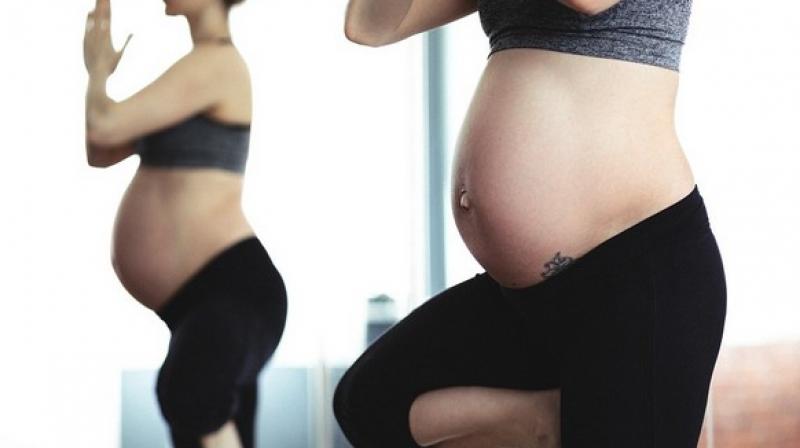
Over 1.9 billion adults worldwide are overweight or obese, and by 2025 this is projected to increase to 2.7 billion. Obesity significantly raises the risk of developing 11 different types of cancer, stroke, type 2 diabetes, heart disease and non-alcoholic fatty liver disease (1, 2). New research in The Journal of Physiology found a possible explanation for the benefits of maternal exercise on fetal development, in obese mothers: it’s down to improved placental function, which prevents the fetus from growing too big, and also better metabolism in the mothers. The placenta performs…
Read More
People who have inadequate vitamin A in their diets are more susceptible to skin infection, yet how that vitamin affects skin immunity has been unclear. In a study published today, UT Southwestern researchers shed some light on that mystery by identifying a previously unknown bacteria-killing protein on the epidermis that requires the vitamin to work. The researchers found that one protein in the resistin-like molecule (RELM) family — RELMα — acts as an antibiotic to rapidly kill bacteria. Both RELMα, which is made by mice, and the corresponding human RELM…
Read More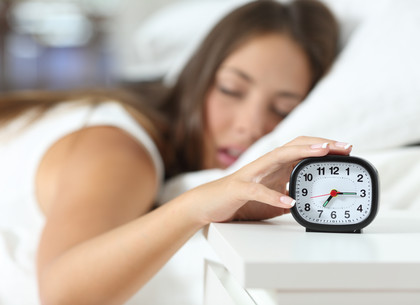
Getting more exercise than normal — or being more sedentary than usual — for one day may be enough to affect sleep later that night, according to a new study led by Penn State. In a one-week micro-longitudinal study, the researchers found that when teenagers got more physical activity than they usually did, they got to sleep earlier, slept longer and slept better that night. Specifically, the team found that for every extra hour of moderate-to-vigorous physical activity, the teens fell asleep 18 minutes earlier, slept 10 minutes longer and…
Read More