Ginkgo seed extracts show antibacterial activity on skin pathogens

Extracts from the seeds of the Ginkgo biloba tree show antibacterial activity on pathogens that can cause skin infections such as acne, psoriasis, dermatitis and eczema, a study at Emory University finds. Frontiers in Microbiology is publishing the results of laboratory experiments showing that the extracts inhibit the growth of Cutibacterium acnes, Staphylococcus aureus and Streptococcus pyogenes. A nearly 200-year-old copy of a 16th-century text on traditional Chinese medicine, the Ben Cao Gang Mu, guided the researchers in their experiments. “It was like blowing the dust off knowledge from the past and rediscovering something that had been there…

Read More

Margot Robbie Wore the Most Insane Sheer Chanel Jumpsuit to the Tribeca Film Festival

Margot Robbie just won the Tribeca Film Festival red carpet in an insane Chanel jumpsuit. For the event, the Australian-born and London-based actress turned to Chanel for her stunning red carpet look. (Robbie serves as an ambassador for the brand.) The Oscar-nominated actress gave us her take on naked dressing in a wide-legged jumpsuit rendered in a sheer, lace fabric. Robbie accessorized her jaw-dropping look with a black Chanel belt and black pointy heels. She layered a cozy black jacket over her ensemble to stay warm in the chilly spring weather. Robbie’s glam was equally as chic. Her go-to hairstylist,…

Read More

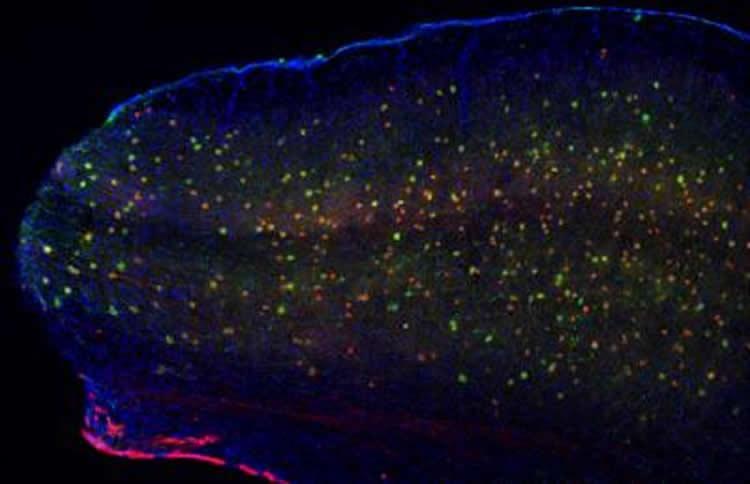
Can the effects of the ketogenic diet help prevent epilepsy after traumatic brain injury? Mouse study

Neuroscientists led by Chris Dulla at Tufts University School of Medicine prevented the development of epileptic activity in mice after traumatic brain injury by using a drug that mimics the metabolic effects of the ketogenic diet. An advance copy of the study is published today in JCI Insight. The ketogenic diet was originally developed in the 1920s to treat drug-resistant epilepsy in children. By limiting carbohydrates in the diet, the body is forced to burn fat rather than glucose, the usual source of energy in the body. Although researchers do not…

Read More

Obesity and emotional problems appear to develop together from age 7

Obesity and emotional problems, such as feelings of low mood and anxiety, tend to develop hand-in-hand from as young as age 7 years, according to new research being presented at this year’s European Congress on Obesity (ECO) in Glasgow, UK (28 April-1 May). The analysis of a large nationally representative sample of over 17,000 children in the UK finds that regardless of their socioeconomic status, girls and boys with obesity at age 7 were at greater risk of emotional problems at age 11, which in turn, predicted high body mass…

Read More