
https://www.youtube.com/watch?v=oHptbqLG1mg
Read MoreWhy environmental cues make drug addiction extra hard to beat
It’s known environmental cues can be strong triggers for those trying to kick a drug habit because those cues activate the brain’s emotional and stimulus-response systems. A new study by University of Guelph researchers reveals for the first time that there’s more going on in the brain when someone walks past a customary lighting-up spot or sees drug-taking paraphernalia that makes quitting the habit even harder. Besides triggering the brain’s emotional and stimulus-response systems (“see smoking area, smoke, feel good”), environmental cues activate brain areas where memories are processed. Prompting…
Read MoreTamera Mowry Drinks Sister Tia’s Breast Milk After Falling Ill, Hoping It Will Cure Her Sickness

Tamera Mowry-Housley is relying on Tia Mowry-Hardrict to get better — but not in the way you might think! After Tamera, 40, recently came down with an illness and desperately searched for remedies, she finally turned to her twin sister. Instead of suggestions for medicine or herbal remedies, Tia provided Tamera with some breast milk as she had just read an article suggesting it can be beneficial for adults. While the thought of drinking a woman’s breast milk isn’t most people’s go to when they aren’t well, The Real host had nothing but praise for…
Read MoreIs the most effective weight-loss strategy really that hard?
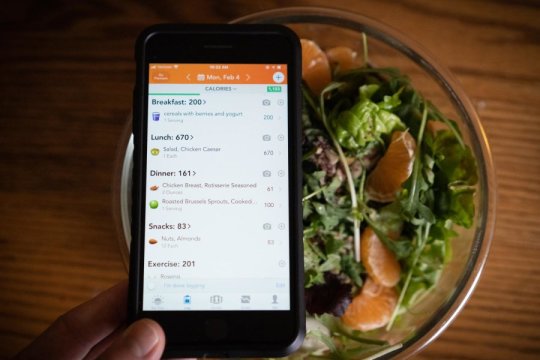
If you want lose weight, research shows, the single best predictor of success is monitoring and recording calorie and fat intake throughout the day — to “write it when you bite it.” But dietary self-monitoring is widely viewed as so unpleasant and time-consuming, many would-be weight-losers can’t muster the will power to do it. New research to be published in the March issue of Obesitysuggests that the reality of dietary self-monitoring may be far less disagreeable than the perception. After six months of monitoring their dietary intake, the most successful participants…
Read MoreMobile bedside bioprinter can heal wounds
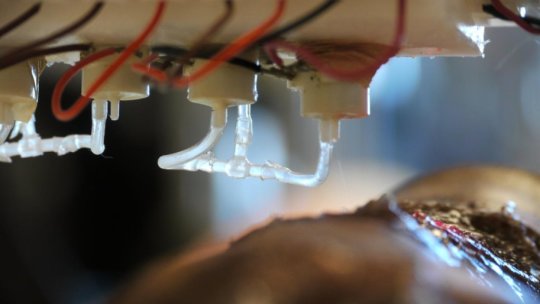
Imagine a day when a bioprinter filled with a patient’s own cells can be wheeled right to the bedside to treat large wounds or burns by printing skin, layer by layer, to begin the healing process. That day is not far off. Wake Forest Institute for Regenerative Medicine (WFIRM) scientists have created such a mobile skin bioprinting system — the first of its kind — that allows bi-layered skin to be printed directly into a wound. “The unique aspect of this technology is the mobility of the system and the…
Read More