The Secret to Perfect Stainless TIG Welds



Actress Joey King posted about a fellow plane passenger who thought she had cancer—and treated her poorly because of it. The 19-year-old actress (who is currently sporting a shaved head for a role) took to Twitter on Sunday, November 18th to share the series of events. King wrote, “Y’all I’m on a plane & this man next to me literally turned to me with his phone in my face & took a photo of me as if I wouldn’t notice & texted his wife that he’s sitting next to a girl who has cancer…
Read More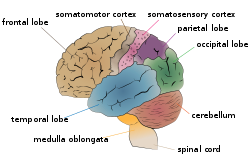
Columbia neuroscientists have revealed that a simple brain region, known for processing basic sensory information, can also guide complex feats of mental activity. The new study involving mice demonstrated that cells in the somatosensory cortex, the brain area responsible for touch, also play a key role in reward learning, the sophisticated type of learning that allows the brain to associate an action with a pleasurable outcome. It is the basis for how we connect our work in the office to that paycheck, or that A+ to the studying we did…
Read More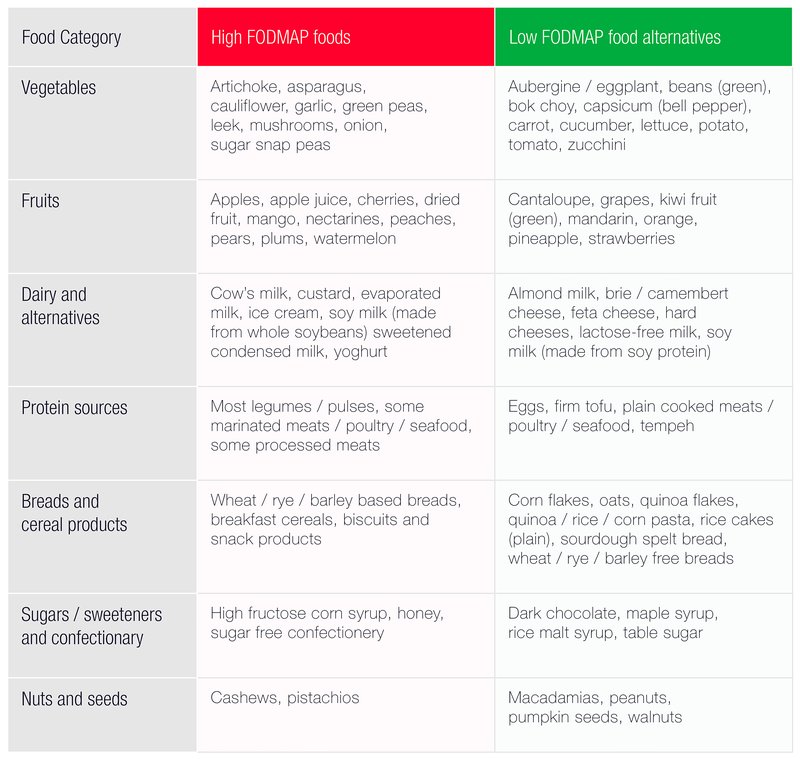
Research indicates that cutting out specific foods can alleviate the gastrointestinal issues some people experience when they exercise, with over two-thirds of people involved in a new study reporting an improvement. Runners in particular can be susceptible to symptoms which are similar to irritable bowel syndrome (IBS). Previous research has shown that a low fermentable oligosaccharide, disaccharide, monosaccharide and polyol (or FODMAP) diet can help people with IBS. Led by scientists from Anglia Ruskin University and published in the Journal of the International Society of Sports Nutrition, the new study found…
Read More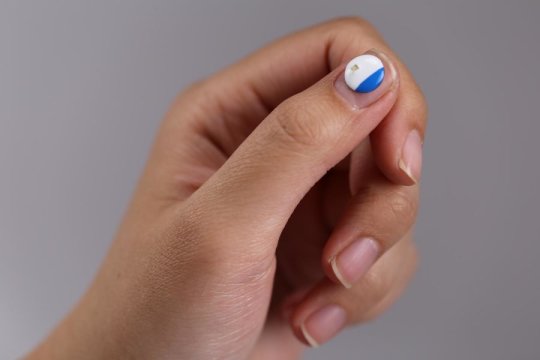
The world’s smallest wearable, battery-free device has been developed by Northwestern Medicine and Northwestern’s McCormick School of Engineering scientists to measure exposure to light across multiple wavelengths, from the ultra violet (UV), to visible and even infrared parts of the solar spectrum. It can record up to three separate wavelengths of light at one time. The device’s underlying physics, and extensions of the platform to a broad array clinical applications are reported in this study to be published Dec. 5 in Science Translational Medicine. These foundational concepts form the basis of…
Read More