Custom 4 Links Part 2



‘Night owls’ — those who go to bed and get up later — have fundamental differences in their brain function compared to ‘morning larks’ , which mean they could be disadvantaged by the constraints of a normal working day. Research led by the University of Birmingham found that individuals whose internal body clock dictates that they go to bed and wake up very late (with an average bedtime of 2:30am and wake-up time of 10:15am) have lower resting brain connectivity in many of the brain regions that are linked to…
Read More
Kim Kardashian West is setting the record straight about her nose. The reality star, 38, admitted she loves laser treatments to treat stretch marks and even documented her first Botox experience on an episode of Keeping Up with the Kardashians in 2010. But there’s one cosmetic procedure she hasn’t gotten: a nose job. “I never had my nose done,” Kardashian West revealed as she got her makeup done by her longtime pro Mario Dedivanovic during The Master Class in L.A. on Feb. 9. “Everyone thought I did, and I said wait until I have kids because your real…
Read More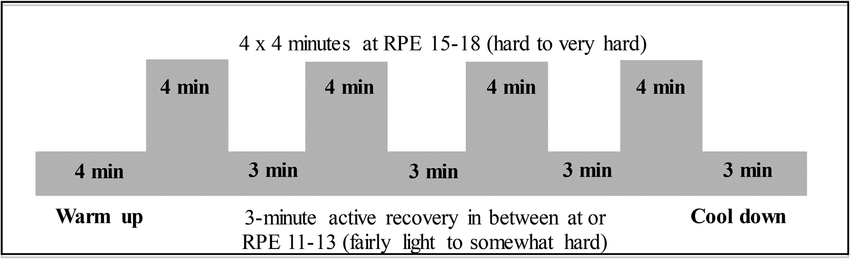
Interval training may shed more pounds than a continuous moderate intensity workout, suggests a pooled analysis of the available evidence, published online in the British Journal of Sports Medicine. And sprint interval training may be most effective for weight loss, the analysis indicates, although the breadth of training programmes studied makes it difficult to recommend one particular approach over another, caution the researchers. Most physical activity guidelines recommend a high volume of exercise for weight loss, equivalent to an hour or more every day (420 minutes+/week). But few people can carve…
Read More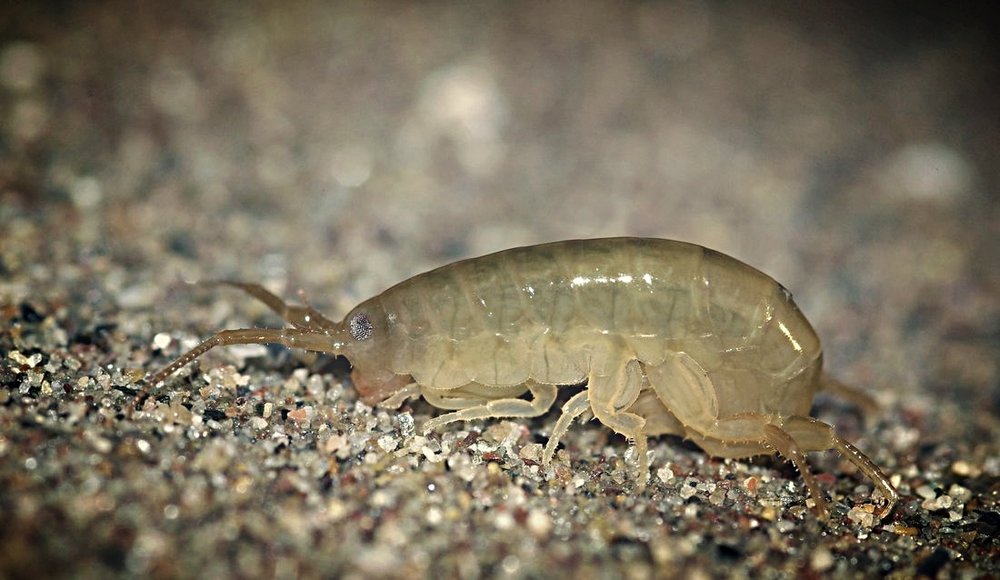
Tungiasis, a tropical disease associated with poverty, is caused by the penetration of female sand fleas into a person’s skin, usually in their toes or feet. This week in PLOS Neglected Tropical Diseases, researchers report five cases of severe tungiasis to illustrate how the disease may develop into a life-threatening condition. When the female sand flea (Tunga penetrans or Tunga trimamillata) penetrates the skin, it begins quickly growing. Within days, this growth causes intense inflammation with pain and itching. Generally, once all eggs are expelled into the environment through a tiny hole in…
Read More