10 Car Mods BANNED in America


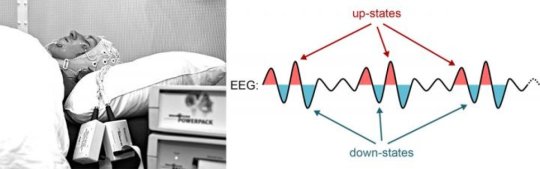
Sleeping time is sometimes considered unproductive time. This raises the question whether the time spent asleep could be used more productively — e.g. for learning a new language? To date sleep research focused on the stabilization and strengthening (consolidation) of memories that had been formed during preceding wakefulness. However, learning during sleep has rarely been examined. There is considerable evidence for wake-learned information undergoing a recapitulation by replay in the sleeping brain. The replay during sleep strengthens the still fragile memory traces und embeds the newly acquired information in the…
Read More
Aniston started focusing on her diet early in her career after an agent told her she didn’t get a part because she was “too chubby.” “I was like, ‘What?!’ ” she told PEOPLE in 2016. Though she didn’t take the comment too seriously at first, Aniston soon realized that her “diet was terrible.” “Milk shakes and French fries with gravy [laughs]. It was a good thing to start paying attention.” These days, Aniston urges body acceptance. “It’s time to just stop thinking beauty is in the shape of a size 4 and…
Read More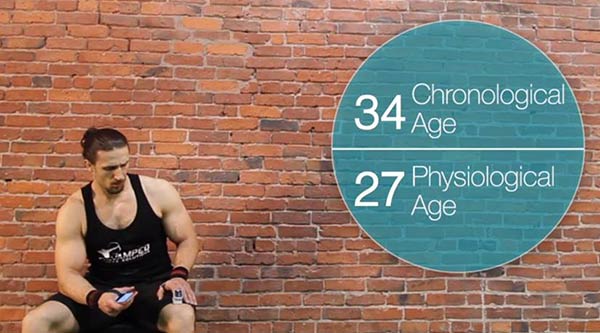
It’s often said: It’s not how old you are, it’s how old you feel. New research shows that physiological age is a better predictor of survival than chronological age. The study is published today in the European Journal of Preventive Cardiology, a journal of the European Society of Cardiology (ESC). “Age is one of the most reliable risk factors for death: the older you are, the greater your risk of dying,” said study author Dr Serge Harb, cardiologist at the Cleveland Clinic in the United States. “But we found that physiological…
Read More
Populations of indigenous people in southern Africa carry a gene that causes lighter skin, and scientists have now identified the rapid evolution of this gene in recent human history. The gene that causes lighter skin pigmentation, SLC24A5, was introduced from eastern African to southern African populations just 2,000 years ago. Strong positive selection caused this gene to rise in frequency among some KhoeSan populations. UC Davis anthropologist Brenna Henn and colleagues have shown that a gene for lighter skin spread rapidly among people in southern Africa in the last 2,000…
Read More