Why is the LS so GOOD??



Binge drinking in adolescence has been shown to have lasting effects on the wiring of the brain and is associated with increased risk for psychological problems and alcohol use disorder later in life. Now, researchers at the University of Illinois at Chicago Center for Alcohol Research in Epigenetics have shown that some of these lasting changes are the result of epigenetic changes that alter the expression of a protein crucial for the formation and maintenance of neural connections in the amygdala — the part of the brain involved in emotion,…
Read More
Brooklyn Decker is tired of dealing with post-pregnancy body shamers. The Grace and Frankie star, 31, constantly hears from people who think she looks unhealthy now that she’s a mom of two, and she’s over it. Decker responded on Twitter after one person said that they’re “confused” because she “looked so good” in her 2011 movie Just Go With It and now “looks gangly.” “For the umpteenth time — because people love to comment on my body (or lack thereof) my children sucked the life out of my body and left behind a bag of bones,”…
Read More
The George Institute for Global Health at the University of Oxford measured the duration and intensity of physical activity levels over seven days and compared those participants with, and those without, chronic disease. They found that those with chronic disease, even those conditions that don’t directly limit capacity for exercise, spent less time active. Around 15 million people in England suffer from chronic disease [1]. Major types include cardiovascular disease (e.g. heart attacks and stroke), respiratory disease (e.g. asthma), and mental health conditions (e.g. depression). Chronic conditions are not passed…
Read More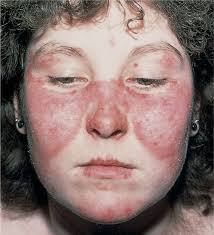
Children with a grave skin disorder known as butterfly syndrome develop severe and chronic blisters. Fibrosis, the thickening and scarring of connective tissues, is a major complication of the disease. Not only can fibrosis lead to club-like appendages where the skin grows over the fingers or toes, but Jefferson’s Andrew South, PhD, an associate Professor in the department of Dermatology and Cutaneous Biology, has shown previously that fibrosis in butterfly syndrome patients also leads to an aggressive form of skin cancer that is often fatal. Now, Dr. South and colleagues…
Read More