https://www.youtube.com/watch?v=oRYrjutOc9E
Read MoreNew Cause of Schizophrenia Uncovered
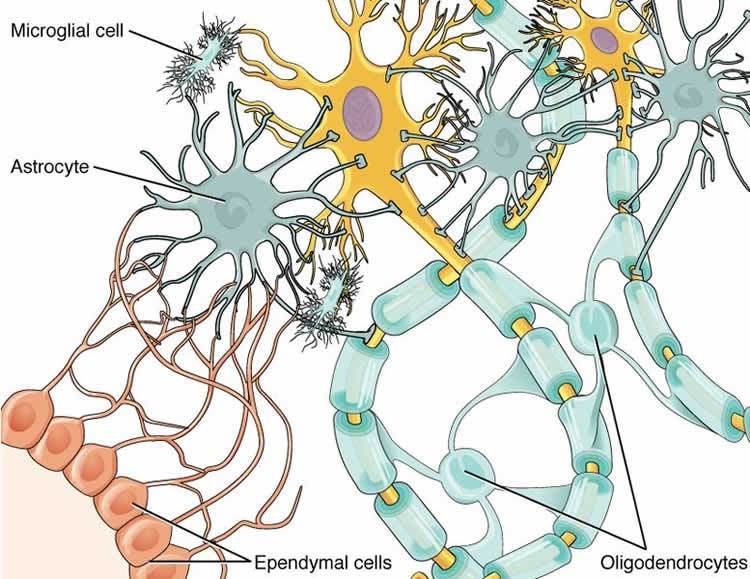
A new study from the University of Copenhagen shows that genetic defects may damage the supporting cells of the brain – the glial cells – which may lead to a number of brain disorders, including schizophrenia. The study is based on ground-breaking tests with mice whose brains were colonized with human glial cells. When the brain is formed in the embryonic stage, this happens partly according to a recipe from a particular type of stem cells – the progenitor cells. They develop into brain support cells, called glial cells, which…
Read MoreEmma Stone’s Organs Shifted from Corset-Wear, but That’s Not the Most Cringe-y Side Effect
Corsets are, well, pretty damn terrible. Though everyday wear is a thing of the past (thank God), you’d be hard-pressed to find a working actress today who isn’t all too familiar with the contraption that’s literally a medieval torture device. With two star-studded royal period pieces (The Favourite and Mary Queen of Scots) generating buzz this year, we’ve received our fill of A-list corset moments from Emma Stone, Rachel Weisz, Margot Robbie, and Saoirse Ronan. Stone, a first-time corset-wearer and the only American lead in The Favourite, had some difficulty with her restrictive…
Read MoreExercise before surgery can protect both muscle and nerves, study suggests
Exercise can protect both muscle and nerves from damage caused by the restoration of blood flow after injury or surgery, new research from the University of Virginia School of Medicine shows. UVA’s Zhen Yan, PhD, a top expert on the cellular benefits of exercise, and his team are working to better understand how the body is damaged by the restoration of blood flow — known as ischemia reperfusion injury — and to find ways to improve outcomes for people who suffer it, including surgery and trauma patients and soldiers injured…
Read MoreWhat Really Happens When You Get A Tattoo Removed
If you’ve been scrutinizing that ink you got in your past, you’re not alone. One in 8 American adults regret getting at least one of their tattoos, according to the Food and Drug Administration. Fortunately for your younger self, there are ways in which you can go about erasing your once-permanent past decisions. Tattoo removal procedures offer people the option to wipe out their unwanted inks by means of an in-office procedure. But how does the process work? What can you expect from a session? HuffPost chatted with experts on everything you need…
Read More