Physical Activity Can Lead To Difference In Diet Preferences Between Males, Females

Recent studies have shown that approximately 90 percent of adult Americans fail to reach the U.S. Department of Health guidelines for physical activity, which could be contributing to surging obesity rates. Now, new research by a multidisciplinary team of University of Missouri researchers suggests that physical activity can change diet preferences in males, but not in females — an area that researchers say has not been thoroughly studied. “Our team wanted to make every effort to study female perspectives on how exercise affects diet, because most other studies neglect females,”…

Read More

Low Sodium-DASH Diet Combination Dramatically Lowers Blood Pressure In Hypertensive Adults

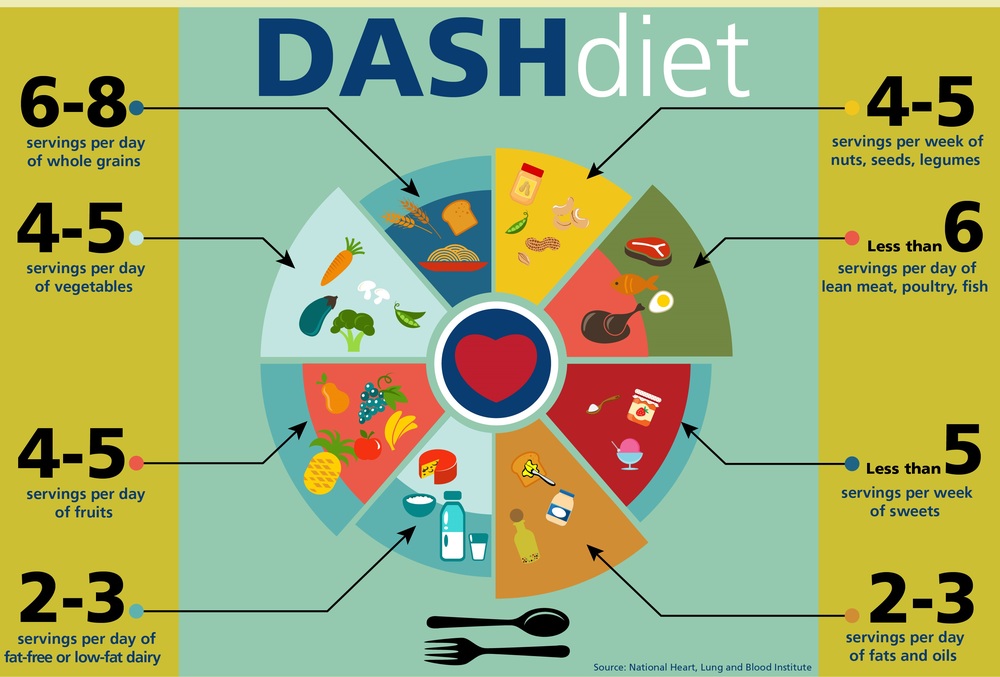
A combination of reduced sodium intake and the DASH diet lowers blood pressure in adults with hypertension, according to preliminary research presented at the American Heart Association’s Scientific Sessions 2017, a premier global exchange of the latest advances in cardiovascular science for researchers and clinicians. The study followed 412 adults with systolic blood pressures in four categories: less than 130 mmHg; between 130 and 139 mmHg; between 140 and 159 mmHg; and 150 or higher mmHg. They were either on low-sodium or DASH (Dietary Approaches to Stop Hypertension) diets for…

Read More

Firmer, Fitter Frame Linked To Firmer, Fitter Brain

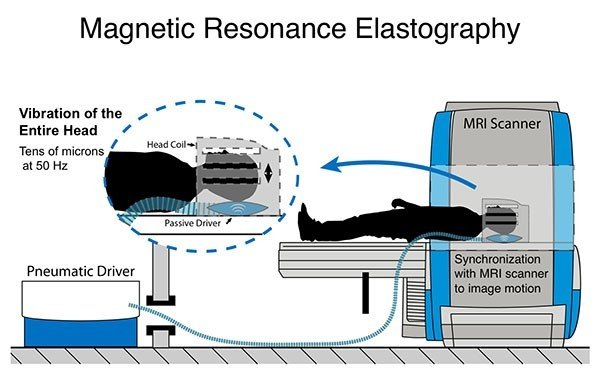
Scientists have observed that more aerobically fit individuals have better memories. To investigate this phenomenon, they used magnetic resonance elastography (MRE), which measures the firmness and elasticity of organs, and found that fit individuals had a firmer, more elastic hippocampus — a region of the brain associated with memory. The method could provide early diagnosis and potential interventions in the initial stages of neurodegenerative disease. “MRE is a technique that has been used in organs like the liver, where it can assess the tissue stiffness and offers a reliable, non-invasive…

Read More