A low-carb diet may have benefits for people at risk of developing type 2 diabetes even if they don’t lose any weight, a new study suggests. Researchers at The Ohio State University wanted to know what happens to obese people with metabolic syndrome, a precursor to diabetes, when they eat a diet low in carbohydrates but don’t shed any pounds. They found that more than half of study participants no longer met the criteria for metabolic syndrome immediately following a four-week low-carb diet. The new study included 16 men and…
Read MoreHow to Maintain Your Skin-Care and Self-Care Routines During Workplace Bargaining
When queer Black feminist icon Audre Lorde wrote, “Caring for myself is not self-indulgence, it is self-preservation, and that is an act of political warfare,” she wasn’t necessarily envisioning charcoal bubble baths or matcha smoothies. In the particular section of the book from which this quote is so often pulled, A Burst of Light: And Other Essays, Lorde was explaining the pressures she felt to overextend herself following her successful battle with cancer and articulating her resolve to “live whatever life [she had] as fully and as sweetly as possible,” something she considered to…
Read MoreAvengers Phase 4 Wolverine Teaser Easter Eggs and Secret Code Breakdown
Making $1 Million: Here’s How Long It Took the World’s Super-Rich (Infographic)
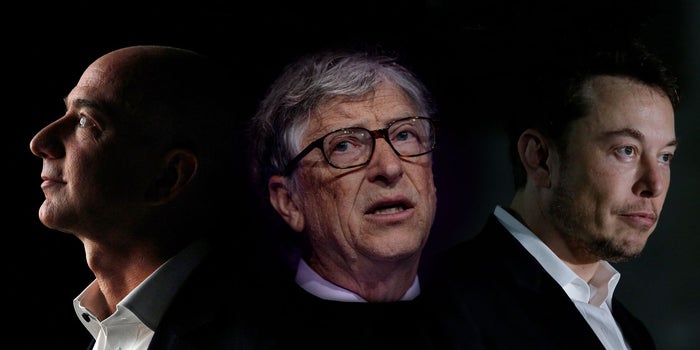
The millionaire’s club is adding members fast. In 2018, there were upwards of 19.6 million people with six-zero-sums to their name; by 2023, that number is projected to rise to more than 23.4 million. The world’s billionaires are a much more tight-knit group — upwards of 2,200, according to an Oxfam International report — and their fortunes increased by $2.5 billion a day in 2018. But when did the world’s wealthiest set off on this trajectory? They — including household names such as Bill Gates, Jeff Bezos and Elon Musk — made their…
Read MoreUpbeat music can sweeten tough exercise
New research coming out of UBC’s Okanagan campus demonstrates that upbeat music can make a rigorous workout seem less tough. Even for people who are insufficiently active. Matthew Stork is a postdoctoral fellow in the School of Health and Exercise Sciences. He recently published a study examining how the right music can help less-active people get more out of their workout — and enjoy it more. High-intensity interval training (HIIT) — brief, repeated bouts of intense exercise separated by periods of rest — has been shown to improve physical health…
Read More