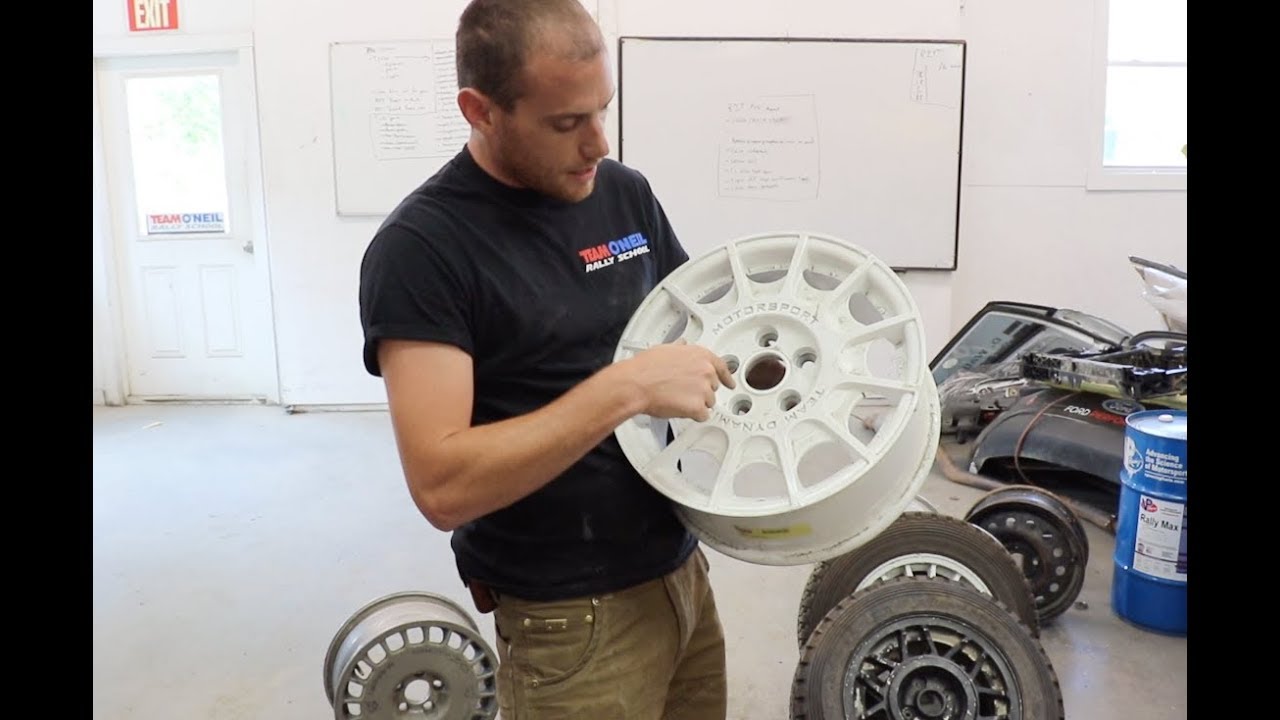
Rally Wheels Explained

Neuroscientists at Bangor University (Wales, UK) and University College London (UCL) have for the first time, identified the processes which occur in our brains milliseconds before we undertake a series of movements, crucial for speech, handwriting, sports or playing a musical instrument. They have done so by measuring tiny magnetic fields outside the participants’ head and identifying unique patterns making up each sequence before it is executed. They identified differences between neural patterns which lead to a more skilled as opposed to a more error-prone execution. The research, funded by…
Read More
Beloved sitcom and screen actress Penny Marshall, who gained fame in the late ’70s for her sitcom Laverne & Shirley before transitioning behind the camera to great success, has died. She was 75. Marshall died Monday night at her Hollywood Hills home of complications from diabetes. She had previously been diagnosed with brain and lung cancer in 2009 before going into remission by 2012. “Our family is heartbroken over the passing of Penny Marshall,” her family says in a statement. “Penny was a girl from the Bronx, who came out West, put a…
Read More
Athletes know a vigorous workout can release a flood of endorphins: “feel-good” hormones that boost mood. Now there’s evidence that exercise produces another hormone that may improve memory and protect against Alzheimer’s disease, according to a study co-led by Ottavio Arancio, MD, PhD, a researcher at Columbia University’s Vagelos College of Physicians and Surgeons and Taub Institute for Research on Alzheimer’s Disease and the Aging Brain. The study was published in Nature Medicine. Physical activity is known to improve memory, and studies suggest it may also reduce the risk of Alzheimer’s…
Read More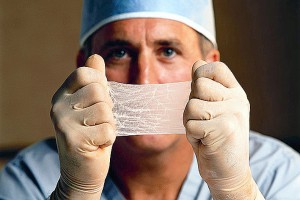
A new type of sensor could lead to artificial skin that someday helps burn victims ‘feel’ and safeguards the rest of us, University of Connecticut researchers suggest in a paper in Advanced Materials. Our skin’s ability to perceive pressure, heat, cold, and vibration is a critical safety function that most people take for granted. But burn victims, those with prosthetic limbs, and others who have lost skin sensitivity for one reason or another, can’t take it for granted, and often injure themselves unintentionally. Chemists Islam Mosa from UConn, and James Rusling…
Read More