When neurons get the blues

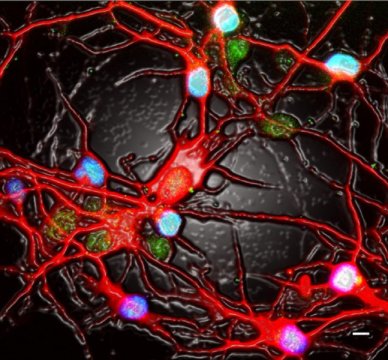
When neurons get the blues. This artistic image shows neurons derived from pluripotent stem cells of antidepressant (SSRI) resistant depressed patients. SSRI-resistant patient neurons display hyperactivity in response to serotonin. The study reveals potential mechanism associated with SSRI-resistance in major depressive disorder (MDD). The most commonly prescribed antidepressants, selective serotonin reuptake inhibitors (SSRIs), lift the fog of depression for many people. But for around a third of people with major depressive disorder, SSRIs don’t make much of a difference. Now, researchers from the Salk Institute have pinned down a possible…

Read More

Melissa McCarthy on Hollywood’s Double Standard and Even Being Asked About Her ‘Tremendous Size’

Melissa McCarthy is opening up about the uglier side of being a female star in Hollywood. The Can You Ever Forgive Me? actress, 48, recalled being labeled “grotesque” in a conversation for InStyle‘s February issue. “Years ago, I was at a press conference for either The Heat or Tammy and somebody from a very big organization kept asking me, ‘Why do you always feel the need to be so grotesque?’” McCarthy said. “It was a huge interview with maybe 100 people in the room and he was sneering.” The actress shared she kept her cool at the time,…

Read More

The dangers of hidden fat: Exercise is your best defense against deep abdominal fat

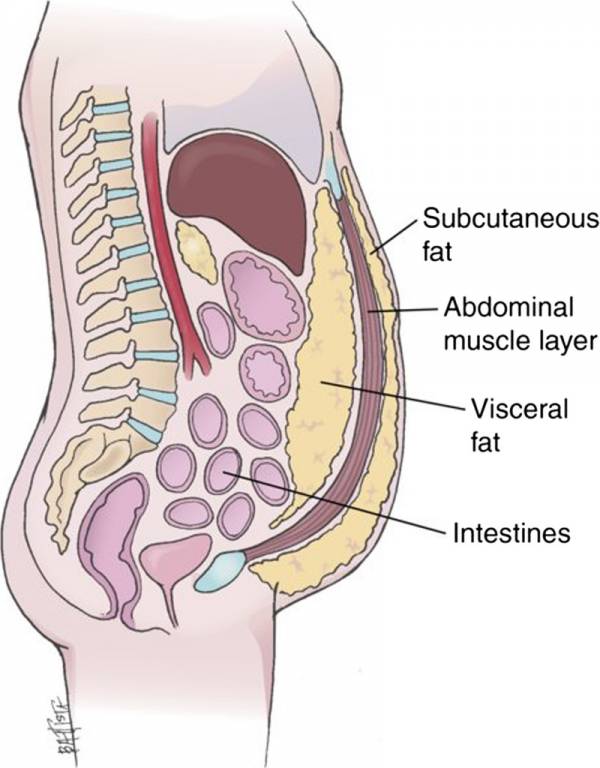
Scientists know that the type of fat you can measure with a tape isn’t the most dangerous. But what is the most effective way to fight internal, visceral fat that you cannot see or feel? The answer: exercise. Researchers at UT Southwestern Medical Center analyzed two types of interventions — lifestyle modification (exercise) and pharmacological (medicine) — to learn how best to defeat fat lying deep in the belly. The study is published in Mayo Clinic Proceedings. “Visceral fat can affect local organs or the entire body system. Systemically it can…

Read More

How skin ages, loses fat and immunity

This is a microscopic image of the skin reveals skin cells in blue and fat cells in green. The fat cell layer forms the final barrier against bacteria entering deep into the body. Dermal fibroblasts are specialized cells deep in the skin that generate connective tissue and help the skin recover from injury. Some fibroblasts have the ability to convert into fat cells that reside under the dermis, giving the skin a plump, youthful look and producing a peptide that plays a critical role in fighting infections. In a study…

Read More